
Table of Contents
London doesn’t punish unprepared travelers the way a desert or a mountain trek would — but it comes close. One afternoon you’re in a t-shirt watching sun break over the Thames, and twenty minutes later you’re hunting for a doorway to escape sideways rain. Getting your London travel essentials right isn’t about overpacking; it’s about packing the right dozen things instead of the wrong thirty.
This guide walks through everything worth putting in your bag — from documents and luggage to layering strategy, tech, and the small unglamorous items that seasoned London visitors never leave home without. If you’re planning other types of trips too, explore our travel essentials and packing guides for more practical advice.
Do You Really Need a Full Packing List for London?
Short answer: not as much as you’d think, but more than you’d guess.
London is a major global city. If you forget your shampoo, there’s a Boots or Superdrug within five minutes’ walk almost anywhere in Zone 1. What you can’t easily replace are things tied to your identity, your devices, or your comfort on day one — a passport, a UK plug adapter, or shoes that are already broken in.
The smartest approach is to separate your packing into four tiers: things you cannot enter the country without, things that are expensive or inconvenient to buy locally, things that make daily life smoother, and things that are genuinely optional. The rest of this article follows that logic.
Documents and Entry Essentials
Valid Passport and ETA Requirements
Your passport is non-negotiable, and since Brexit, an ID card will not get you through UK border control — only a passport works. Make sure it’s valid for your full stay; airlines will deny boarding for an expired or near-expired passport.
Depending on your nationality, you may also need an ETA (Electronic Travel Authorisation). This is a separate digital entry authorization applied for online before you fly, distinct from a full visa. Processing is usually quick, but apply at least a few days ahead — never at the airport. Always apply directly through the official UK government ETA portal rather than third-party sites that charge inflated fees for the same service.
Travel Insurance and Other Paperwork
Travel insurance should be non-negotiable too, even for a short city break. A minor A&E visit or a cancelled flight without coverage can cost far more than the policy itself.
Beyond your passport, ETA, and insurance, carry:
- Flight, hotel and train travel documents (digital copies plus one printed backup)
- A driving licence if you’re renting a car outside the city
- A passport holder or slim travel document organizer to keep everything in one place
Choosing the Right Luggage
Hand Luggage vs. Carry-On Suitcase
For a city trip under a week, a carry-on suitcase usually beats checked luggage. You skip the baggage carousel, you’re not paying hand luggage upcharges on budget carriers like Ryanair or easyJet, and — critically — you can actually maneuver it through Tube station turnstiles and up flights of stairs at stations without lifts.
Packing cubes are worth the small investment here. They compress your clothing, keep outfits separated by day or activity, and make unpacking in a hotel room a five-minute job instead of a twenty-minute archaeology dig.
Daypack for City Touring
Separate from your main bag, bring a lightweight daypack or crossbody bag for daily sightseeing. It should be small enough to wear comfortably on the Underground but roomy enough for a water bottle, umbrella, and a light jacket you shed by midday. A handbag with zip-close pockets is a smart upgrade over an open-top tote — London’s crowded tourist zones do attract opportunistic theft, and a closed bag is a meaningful deterrent.
Clothing: Building a London Travel Essentials Wardrobe
The Layering Principle
If there’s one rule that separates a comfortable London trip from a miserable one, it’s layering. London’s weather can shift from cool and overcast to warm and bright within the same afternoon, and the Underground itself runs hot regardless of the season outside.
A reliable base layering formula:
- A breathable T-shirt or long-sleeve top
- A mid layer — think sweaters or a chunky knit sweater
- An outer layer — a trench coat, waterproof jacket, or lighter coats and jackets depending on season
This three-layer system lets you add or shed clothing as you move between outdoor sightseeing, heated shops, and the Tube.
Rain Gear — Umbrella vs. Waterproof Jacket
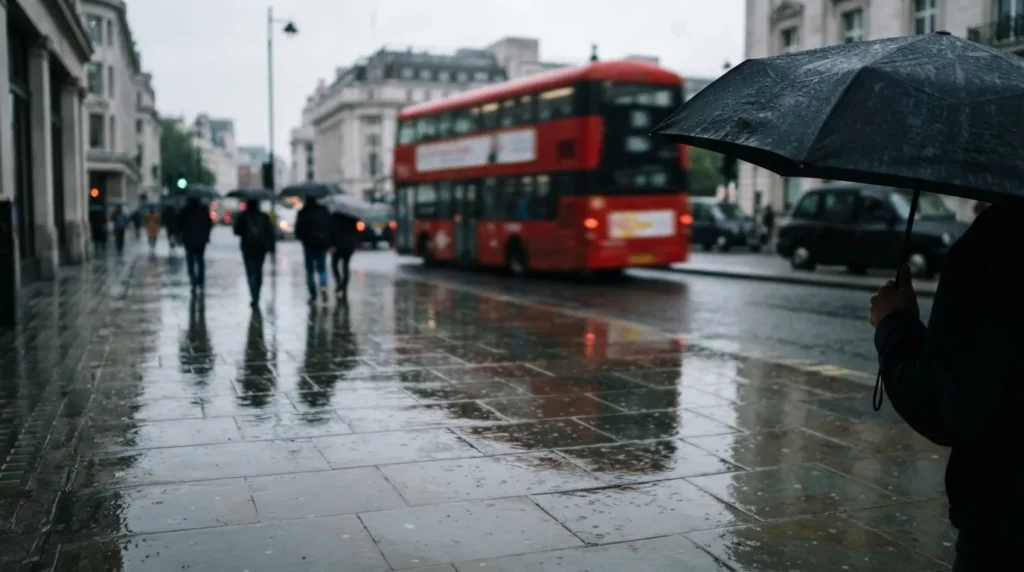
Here’s a debate every London-bound traveler eventually has: umbrella or rain jacket? The honest answer is both, used situationally.
An umbrella works fine for a light, still drizzle — the kind London gets constantly. But London is also windy, and a flimsy umbrella turned inside out is a rite of passage for every visitor. For anything beyond a gentle sprinkle, or for full days of walking, a proper waterproof jacket wins. It keeps your hands free, survives wind gusts, and layers over a sweater without a problem.
Worked example: Say you’re touring Borough Market in the morning, then walking along the Southbank in the afternoon. A compact umbrella handles the market’s covered stalls fine, but for the exposed river walk, you’ll want the jacket zipped up and the umbrella staying in your bag.
Seasonal Clothing Breakdown
Beyond the core layering system, adjust specifics by season:
- Spring: Light scarves, a packable rain jacket, jeans and trousers, and a light cardigan for cool mornings.
- Summer: Breathable T-shirts, skirts and dresses, sunglasses, and sunscreen — London summers are milder than most, but heatwaves do happen, and the Tube gets genuinely uncomfortable in the heat.
- Autumn: Tights under skirts, an ankle boot, a cashmere scarf, and a heavier jacket as evenings cool fast.
- Winter: A proper coat, gloves, a warm hat, weather-appropriate clothing in general, and thermal layers if you feel the cold easily.
Across every season, stick to neutral colors — navy, black, grey, camel. It’s not just style advice; neutral pieces mix and match more easily, which means fewer items packed overall.
Shoes That Actually Survive London Streets
This is where most first-time visitors go wrong. London involves an enormous amount of walking — easily 15,000+ steps on a typical sightseeing day, much of it on cobblestones, uneven pavement, and Tube station stairs.
Bring:
- Comfortable shoes or sneakers you’ve already broken in — never brand-new shoes
- One pair of waterproof boots or walking boots for wet-weather days
- Flats and sandals or dress shoes only if you have a specific dinner, theatre, or formal event planned
Two well-chosen pairs will outperform four mediocre ones. Prioritize sole cushioning and water resistance over style — you can always dress an outfit up with accessories.
Tech and Electronics for Your London Trip
UK Plug Adapters and Power Banks
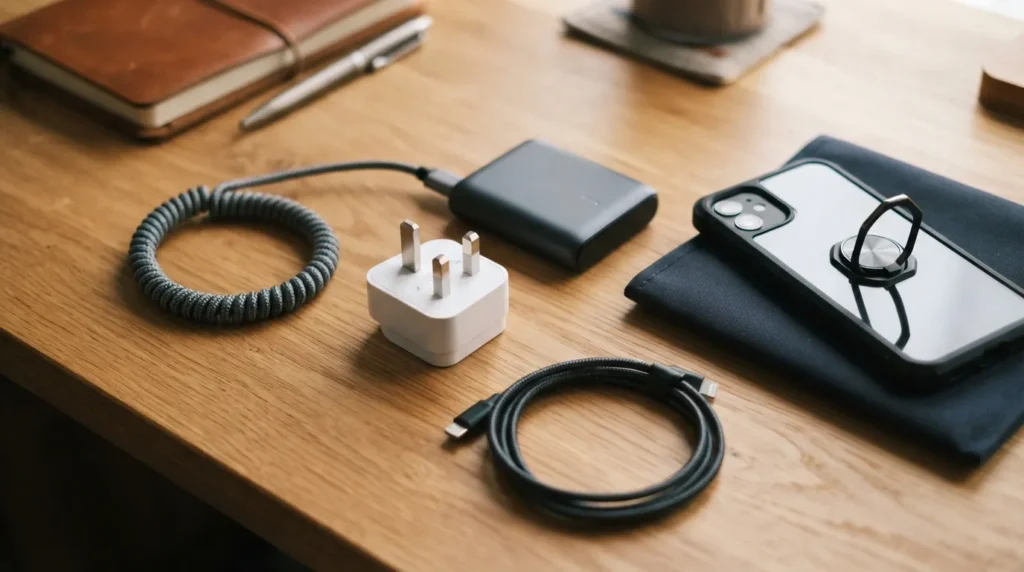
The UK runs on a Type G plug, completely different from the US, EU, and most of Asia. A UK plug adapter — ideally a universal adapter or travel adapter with built-in USB ports — is one of the single most useful things in your bag. Without one, nothing charges.
Pack a power bank too. Between GPS navigation, transit apps, and photos, phone batteries drain fast on a walking-heavy day, and hunting for a café outlet wastes time you’d rather spend sightseeing.
eSIM, Smartphone and Connectivity
An eSIM set up before departure is the easiest way to get UK data without hunting for a local SIM card on day one. Most eSIM providers activate in minutes and cost a fraction of international roaming fees.
Also worth packing: headphones for the flight and Tube, and — this one surprises people — a phone case with ring holder or lanyard strap. Phone snatching by cyclists is a real, documented issue in busy areas like Covent Garden and Leicester Square, and a secure grip meaningfully reduces the risk.
Toiletries, First Aid and Health Essentials
Most toiletries are easy to buy locally, but pack travel sizes of anything you’re particular about, along with any prescription medication and over-the-counter medications you rely on — British brand equivalents don’t always contain the same active ingredients, and some familiar American products simply aren’t sold in UK pharmacies.
A compact first aid kit covers the basics: blister plasters (essential, given the walking), painkillers, and rubbing alcohol wipes, which are genuinely hard to find in UK shops under that exact name (ask for “surgical spirit” instead).
Round out your toiletry bag with:
- Bar soap, since many UK hotels only stock liquid soap
- Washcloths, which aren’t standard in British hotel bathrooms
- Sunscreen for warmer months
Safety and Security in London
Pickpockets, Phone Snatching and the Underground
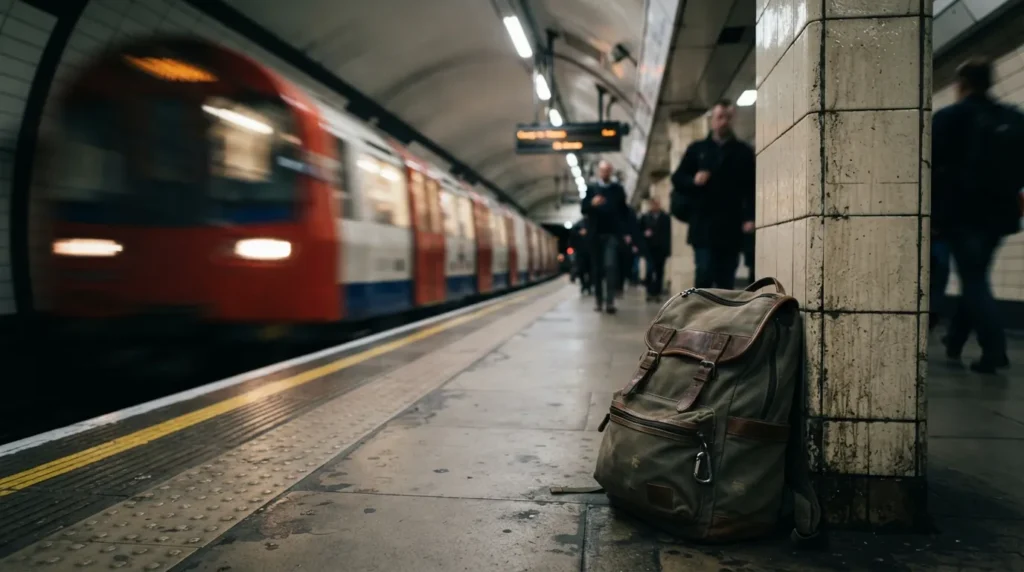
London is a safe city overall, but pickpockets target crowded tourist corridors — the Underground during rush hour especially. A few practical habits go a long way:
- Wear your daypack on your front in packed Tube carriages
- Keep valuables in interior, zip-closed pockets rather than outer ones
- Consider a bungee cord to secure luggage to a seat or rail if you’re traveling with bags on the Tube
None of this requires paranoia — just the same street awareness you’d use in any major city.
Money and Transport — Oyster Card vs. Contactless
For getting around, you have two realistic options: an Oyster Card or tapping in with a contactless bank card or phone.
| Option | Best For | Notes |
|---|---|---|
| Contactless payment | Solo travelers, short trips | No setup needed; daily fare cap applies automatically |
| Oyster Card | Groups, longer stays | Useful for specific discounted fares; requires a small upfront top-up |
For most short visits, contactless payment is simpler — there’s no card to buy, top up, or remember to return. The tap in, tap out system caps your daily spending automatically, so even heavy Tube use won’t overcharge you as long as you remember to tap out at your destination.
London Packing List by Season (Quick-Reference Table)
| Category | Spring | Summer | Autumn | Winter |
|---|---|---|---|---|
| Outer layer | Light rain jacket | Light cardigan | Trench coat | Warm winter coat |
| Bottoms | Jeans and trousers | Skirts and dresses | Tights + skirt | Thermal layers |
| Footwear | Waterproof boots | Sneakers/sandals | Ankle boots | Waterproof boots |
| Accessories | Compact umbrella | Sunglasses, sunscreen | Cashmere scarf | Gloves, warm hat |
| Extras | Packable jacket | Reusable water bottle | Layered scarf | Hand warmers |
Unique London Essentials Most Travelers Forget
A few items rarely make generic Europe packing lists but matter specifically for London:
- A portable fan for surprisingly warm, non-air-conditioned summer days on the Tube
- A reusable water bottle — tap water across the UK is safe to drink, and refill points are common in museums and cafés
- Camera gear or a compact tripod, since London is one of the most photogenic cities in Europe
- Earplugs and an eye mask, especially useful given how early summer daylight starts (around 4 a.m. in June)
Frequently Asked Questions
Do I need an adapter for London?
Yes. The UK uses a three-pin Type G plug on a 220–240V system, incompatible with US, EU, and most other plug types. A universal travel adapter with USB ports is the most practical choice.
Is hand luggage enough for a short London trip?
For most city breaks of 3–7 days, yes. A well-packed carry-on suitcase with packing cubes covers a full week comfortably and saves you baggage claim time.
What’s the best rain protection — umbrella or jacket?
Use an umbrella for light drizzle and a waterproof jacket for wind, all-day walking, or heavier rain. Most seasoned travelers carry both.
Oyster Card or contactless — which should I use?
Contactless is simpler for short visits since it requires no setup. Oyster makes more sense for groups or longer stays using specific fare types.
Do I need travel insurance for a city trip?
Yes — even short trips can involve costly medical visits or cancellations, and coverage is inexpensive relative to the risk.
Conclusion
A great London trip doesn’t hinge on packing everything — it hinges on packing the right layering system, one solid pair of broken-in shoes, a working plug adapter, and the handful of small items (soap, washcloths, a bungee cord, blister plasters) that locals know matter and first-timers never think of. Build your London travel essentials list around that core, and you’ll spend your trip exploring the city instead of shopping for things you forgot.
Related reading: Best Carry-On Luggage for City Trips | How to Get a UK ETA Before You Fly | TfL Official Oyster & Contactless Guide