
Table of Contents
Hawaii travel essentials come down to one idea: pack for a place with five climates, three dress codes, and zero patience for over-packed suitcases. Between beach mornings, rainforest hikes, and dressy dinners, a smart list saves you from lugging a bag you can barely zip.
This guide breaks down exactly what to bring, why it matters, and how to organize it so nothing gets left behind — or left unused.
What to Pack for Hawaii: How Your Itinerary Shapes Your List
Before you fold a single shirt, look at your actual itinerary. A trip built around Waikiki beach days needs a different bag than one centered on Haleakalā sunrise hikes or Kilauea volcano viewing.
Ask three questions: How many distinct activities are planned? How many islands will you visit? What’s the weather doing during your travel window? The answers determine your ratio of beachwear to hiking gear to dress-up clothes.
Worked example: A family spending four days on Oahu (beach, luau, one hiking trail) needs roughly 60% beachwear, 25% casual daywear, and 15% dress-up pieces. A solo traveler doing a multi-island trip with volcano viewing on the Big Island flips that ratio toward layers and hiking shoes.
Don’t worry about forgetting something minor — nearly everything is replaceable at an ABC Store or local market. Reserve your packing anxiety for items that are expensive or inconvenient to buy locally, like prescription medications or specialty gear.
It also helps to separate “vacation goals” from “activity logistics” before you start filling a suitcase. A trip built around relaxing might need almost no hiking gear at all, while a trip focused on exploring national parks calls for sturdier footwear and a bigger daypack than a pure beach itinerary.
Think in terms of daily outfit changes rather than total items. Most Hawaii days move through three phases — morning activity, midday sun, and evening dinner or downtime — and each phase has slightly different clothing needs. Planning around that rhythm keeps your list realistic instead of padded with “just in case” items you’ll never touch.
If you want a broader, destination-agnostic framework before narrowing down to Hawaii specifics, our ultimate packing list walks through the same logic for any trip.
Understanding Hawaii’s Microclimates
Hawaii isn’t one climate — it’s several, often within a single day of driving. Coastal towns sit in the 80s°F, upcountry areas run 15-20 degrees cooler, and summit regions like Haleakalā or Mauna Kea can dip below freezing at night.
This is why a light jacket or sweatshirt earns a permanent spot in every Hawaii bag, even for a “beach-only” trip. Microclimates shift fast, and a five-minute drive up a volcano road can turn a warm afternoon into a chilly one.
Worked example: Visitors who skip a warm layer on a Haleakalā sunrise tour are the ones you’ll see wrapped in a rented blanket at 5 a.m., 10,000 feet up, waiting for the sun. A packable fleece or windbreaker solves this for under a pound of luggage weight.
Rainfall follows the same logic as temperature. Windward coasts and valley interiors see far more rain than leeward resort areas, sometimes on the same day and just a few miles apart. A compact rain jacket or poncho weighs almost nothing and prevents a five-minute shower from ending an entire afternoon outdoors.
Hawaii Travel Essentials for Clothing
Clothing is where most Hawaii travel essentials lists live or die. The goal is lightweight, wrinkle-resistant pieces that mix and match across beach, town, and dinner settings.
Comfortable Summer Clothes and Wrinkle-Proof Fabrics
Pack shorts, t-shirts, a sarong or two, and breathable linen pants in fabrics that shake out wrinkle-free. Moisture-wicking tops handle humidity better than heavy cotton, especially on hiking days.
A sarong pulls triple duty as a beach cover-up, a picnic blanket, and an emergency scarf for chilly evenings — pack at least one.
Dress-Up Clothes, Luau Attire, and Restaurant Dress Codes
Most Hawaii restaurants keep dress codes casual, but a few upscale spots expect “resort-chic” attire — think a sundress, aloha shirt, or linen button-down rather than beachwear. A muumuu or simple caftan covers both luau attire and dinner in one piece.
Worked example: One aloha shirt and one sundress or set of linen pants can carry a traveler through a luau, a nice dinner, and a sunset cocktail hour without repeating an obvious outfit.
Sleepwear, Underclothes, and Workout Gear
Pack enough underclothes and workout clothes for the trip length plus one or two spares, since laundry access varies by accommodation. Quick-dry exercise clothes double as backup swimwear or hiking layers in a pinch.
Layering for Cool Evenings and Volcano Summits
Bring one long-sleeved top, one light jacket or windbreaker, and a bandana or neck gaiter. These three items handle boat tours, air-conditioned restaurants, volcano viewing, and windy overlooks without adding real bulk.
Beach and Water Activity Gear
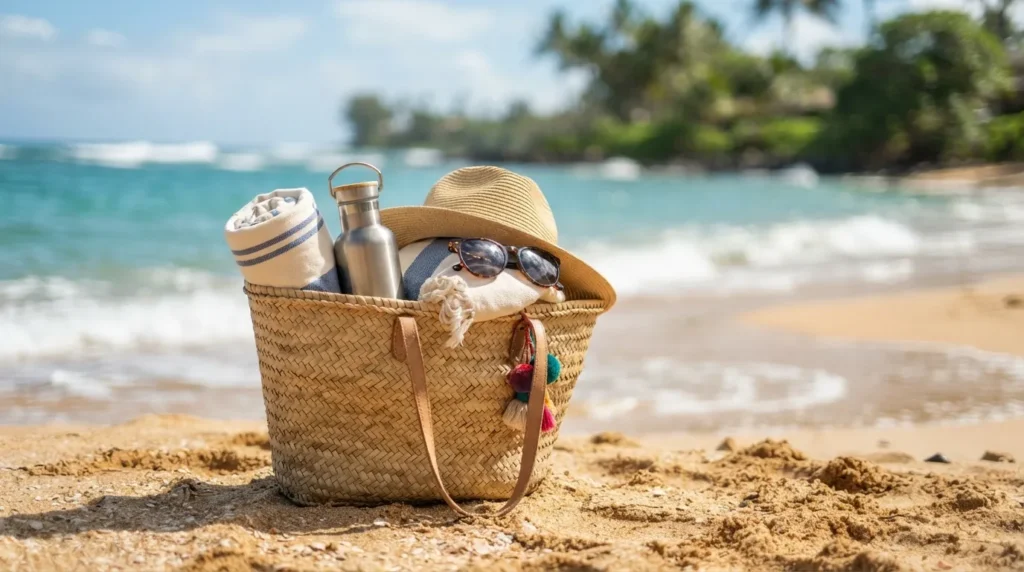
Beach days are non-negotiable on most Hawaii itineraries, so this category deserves its own dedicated packing cube.
Swimwear and Rash Guards
Pack two to three swimsuits so you always have a dry one, plus a rash guard or UV swim shirt for extended sun exposure or reef snorkeling. Swim tights add coverage for surfing or paddleboarding without sacrificing mobility.
Sand- and Salt-Resistant Gear
A sand-resistant beach towel (like a Turkish towel) shakes clean in seconds instead of dragging sand back to your room. Pack a separate wet-swimsuit pouch or dry bag to keep salty, damp gear away from clean clothes in your suitcase.
Worked example: Travelers who skip a dedicated wet bag often end up hand-washing salt residue out of their entire suitcase lining by day three. A $10 dry bag prevents that entirely.
Snorkel Gear, Water Shoes, and Dry Bags
Water shoes protect feet on volcanic rock and coral-adjacent shallows where flip-flops fall apart fast. Most snorkel gear rents cheaply on-island, so it’s rarely worth packing your own mask and fins unless you’re picky about fit.
A splash-proof beach bag and a waterproof phone case round out the water-gear list for anyone doing boat tours or snorkeling excursions.
Sun Protection and Reef-Safe Sunscreen
Hawaii legally restricts sunscreens containing oxybenzone and octinoxate to protect coral reefs, so pack (or plan to buy) mineral-based, reef-safe sunscreen before you land. Regular drugstore sunscreen from the mainland often doesn’t comply with the reef-safe sunscreen law.
Layer sun protection with a packable hat, polarized sunglasses, and at least one UPF-rated sun shirt for long beach or boat days. Reapply sunscreen every two hours in direct sun — Hawaii’s UV index runs higher than most mainland locations year-round.
| Sun Protection Item | Best For | Notes |
|---|---|---|
| Mineral/reef-safe sunscreen | All outdoor activity | Required by Hawaii law near reefs |
| UPF sun shirt | Boating, snorkeling, hiking | Reduces reapplication needs |
| Packable hat | Beach, hiking, sightseeing | Wide brim blocks more UV |
| Polarized sunglasses | Driving, water glare | Cuts reflected ocean glare |
Hiking and Daypack Essentials
Hawaii’s trails range from paved coastal walks to steep volcanic terrain, so footwear and daypack contents need to match the actual hike, not just “outdoorsy in general.”
Footwear for the Trail
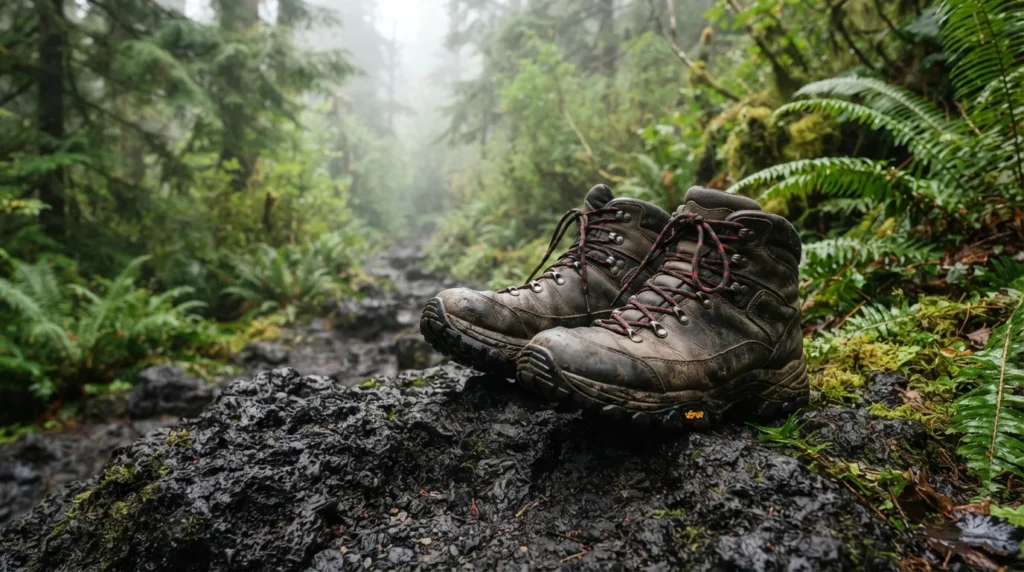
Sturdy hiking shoes or boots with real traction matter on lava rock trails, which get slick and sharp. Save the flip-flops (slippahs) and slip-on flats for town — they’re a fast way to twist an ankle on volcanic terrain.
Worked example: The Pipiwai Trail on Maui and the Kalalau Trail on Kauai both involve wet rock and roots; hikers in sandals routinely turn back or get hurt, while those in traction-soled hiking shoes move through comfortably.
What Goes in Your Daypack
A daypack should carry a collapsible water bottle, snacks, sun protection, a light rain jacket, and a fully charged phone or GoPro for photos. Hiking poles help on steeper volcanic descents, and a National Parks pass pays for itself after two park visits.
Download offline maps before you hit trailheads — cell service disappears fast in Hawaii’s interior valleys and upcountry roads.
Toiletries, Health, and Safety Basics
Pack toiletries basics plus any prescription medications in their original containers with extra days’ supply in case of travel delays. Bug spray (ideally a natural bug repellent) matters more on the Big Island and in rainforest areas than on drier coastal stretches.
Rain gear — a packable rain jacket or poncho — belongs in every Hawaii bag regardless of season, since tropical showers pass through even on “sunny” forecast days. Travelers heading to remote hiking areas should also pack iodine tablets or a small water filter as a backup.
Keep a small first-aid kit with basics like adhesive bandages, blister pads, and pain relievers, since minor scrapes are common on lava rock and coral-adjacent trails. Motion sickness medication is worth packing if boat tours or winding mountain roads are on the itinerary, since both are common ways to see the islands.
Electronics and Entertainment for the Flight and Beyond
A universal power adapter usually isn’t needed for U.S. domestic outlets, but a portable charger is essential for long beach days and hiking trips where outlets aren’t nearby. Pack your smartphone, charging cords, earbuds or headphones, and an eSIM card if you want data without hunting for Wi-Fi.
For flights and downtime, bring vacation reading, a vacation journal, travel games, and a digital or underwater camera if photography matters to you. A flashlight comes in handy for early sunrise hikes and evening walks without streetlights.
Travel Documents, Money, and Restrictions to Know
Keep travel documents together in one folder or pouch: ID, boarding passes, cash or cards, and travel insurance details. Note that Hawaii enforces pet quarantine rules and agricultural restrictions on bringing plants, fruit, and certain produce onto the islands — check current guidelines before packing snacks from home.
Worked example: A traveler bringing home-grown fruit for a picnic at the airport gets it confiscated at agricultural inspection; pre-packaged, commercially sealed snacks usually clear without issue.
Eco-Friendly Gear and Reusable Essentials
Hawaii’s tourism economy runs on protecting the same reefs and trails visitors come to see, so reusable gear isn’t just eco-friendly — it’s practical. Pack a reusable water bottle, a reusable coffee cup, reusable shopping bags, and reusable containers for leftovers or picnic food.
Chopsticks or a set of metal utensils cut down on single-use plastic at food trucks and farmers markets, which are common stops on most itineraries.
Sample Hawaii Packing Checklists by Trip Type
Different trips need different weighting. Use these as starting points, then adjust based on your specific islands and activities.
Beach Vacation Checklist
2-3 swimsuits, rash guard, sand-resistant towel, reef-safe sunscreen, flip-flops, sun hat, dry bag, beach bag, one dress-up outfit for dinner.
Active and Hiking Trip Checklist
Hiking shoes, moisture-wicking tops, quick-dry shorts, daypack, hiking poles, rain jacket, collapsible water bottle, bug spray, offline maps, National Parks pass.
Family Trip Checklist
Extra swimsuits per child, reef-safe sunscreen (family-size), snorkel gear rental reservations, travel games, reusable water bottles for everyone, a light jacket per person for evening activities.
Families traveling with young kids often benefit from packing a few familiar comfort items — a favorite stuffed animal or blanket — since new environments and time-zone shifts can disrupt sleep. Booking snorkel gear rentals ahead of arrival also saves time on the first vacation day, when everyone is eager to get in the water rather than stand in a rental line.
Choosing Your Packing Tools: Suitcase vs. Backpack, Cubes vs. Compression Bags
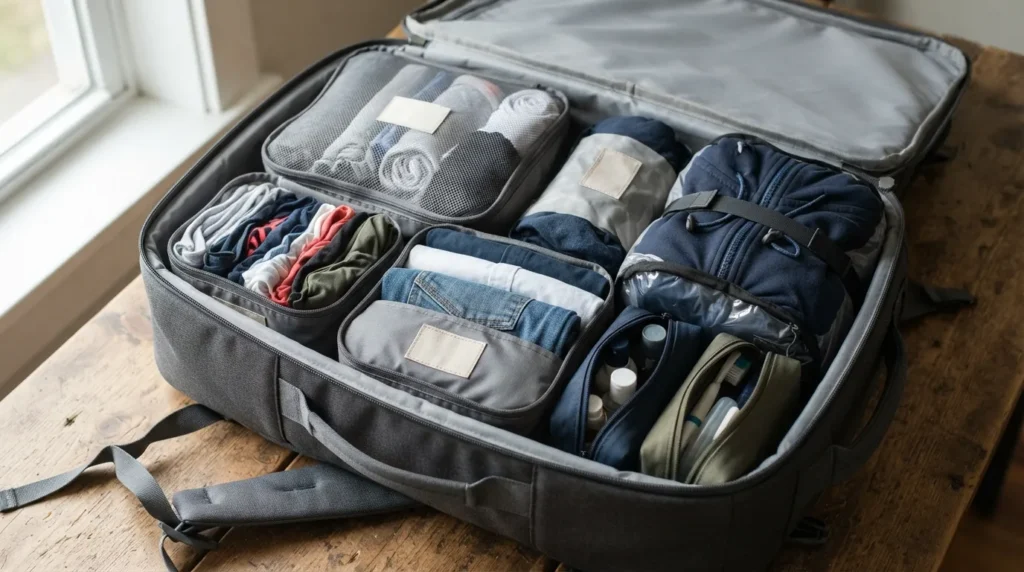
A hard-shell suitcase protects gear better on inter-island flights with rougher baggage handling, while a soft duffel or backpack flexes into rental car trunks and smaller accommodations more easily. Multi-island itineraries generally favor a backpack or duffel for the flexibility.
Packing cubes organize categories (beach gear, hiking gear, dress-up clothes) so you’re not unpacking the whole bag to find one item. Compression bags save more space but work best for bulky items like jackets rather than delicate, wrinkle-prone fabrics.
Worked example: A traveler splitting a bag into labeled cubes — “beach,” “hike,” “dinner” — can grab exactly what’s needed for the day’s plan without repacking the entire suitcase each morning.
A separate small pouch or fanny pack for wallet, phone, and room key keeps essentials on your body during beach days when a full bag isn’t practical. This small addition prevents the common problem of leaving valuables unattended while swimming or snorkeling.
What to Leave Off Your Hawaii Packing List
Skip heavy jeans, multiple pairs of jeans, and bulky sweaters — Hawaii’s coolest evenings rarely require more than a light jacket. Leave behind full-size toiletries; most accommodations stock basics, and travel-size versions save real luggage space.
Also skip sunscreen containing oxybenzone or octinoxate, since it’s restricted near marine areas and won’t do your trip any favors if it gets confiscated or wasted.
Quick-Reference Hawaii Travel Essentials Chart
| Category | Must-Pack Items |
|---|---|
| Clothing | Shorts, t-shirts, sarong, aloha shirt, sundress, light jacket |
| Beach & Water | Swimsuits, rash guard, sand-resistant towel, dry bag, water shoes |
| Sun Protection | Reef-safe sunscreen, hat, polarized sunglasses, UPF shirt |
| Hiking | Sturdy hiking shoes, daypack, hiking poles, rain jacket |
| Health & Safety | Toiletries, medications, bug spray, first-aid basics |
| Electronics | Phone, charger, portable battery, camera, headphones |
| Eco-Friendly | Reusable bottle, coffee cup, shopping bags, containers |
| Documents | ID, boarding passes, cash/cards, travel insurance |
Frequently Asked Questions
What are the most important Hawaii travel essentials?
Reef-safe sunscreen, a light jacket, comfortable walking or hiking shoes, and swimwear cover the majority of activities across any Hawaii itinerary.
Do I need hiking boots for Hawaii?
Only if your itinerary includes volcanic or rainforest trails; sturdy hiking shoes with good traction work for most trips, and boots are only necessary for longer backcountry routes.
Why does sunscreen matter so much in Hawaii?
Hawaii restricts sunscreens with oxybenzone and octinoxate to protect coral reefs, so mineral-based, reef-safe formulas are required near most marine areas.
Can I bring food into Hawaii?
Commercially packaged, sealed snacks are generally fine, but fresh produce, plants, and certain agricultural products face restrictions or inspection on arrival.
How many swimsuits should I pack for Hawaii?
Two to three swimsuits is typical, giving you a dry option each day even with multiple beach or pool sessions.
Do I need a light jacket even in summer?
Yes — evenings, boat tours, and higher elevations run noticeably cooler than beach-level daytime temperatures regardless of the season, so a packable layer is worth the small space it takes.
What should I leave at home when packing for Hawaii?
Heavy jeans, bulky sweaters, full-size toiletries, and non-reef-safe sunscreen are the most common items travelers regret bringing.
Final Thoughts
Hawaii travel essentials aren’t about packing more — they’re about packing the right layers for a place that shifts from beach to rainforest to volcano summit in a single afternoon. Build your list around your actual itinerary, lean on reusable and reef-safe gear, and you’ll land with a bag that works as hard as the trip does.